
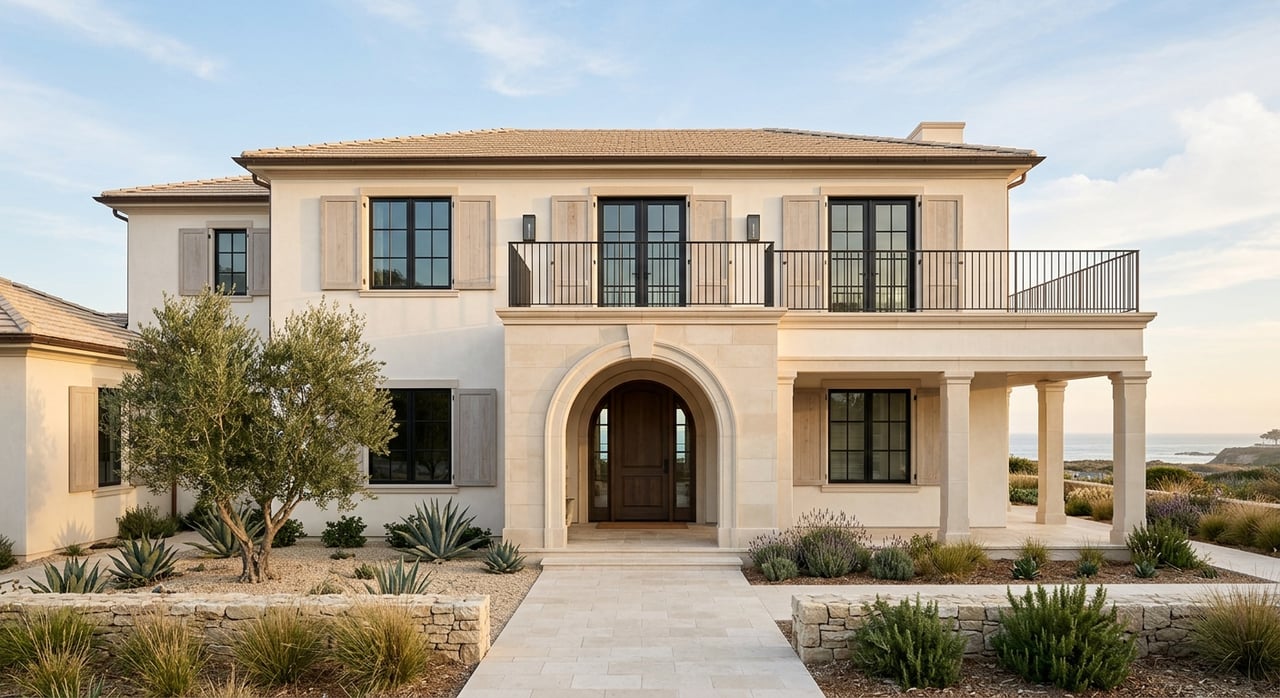
What makes a Rosemary Beach home feel instantly right when you turn the corner onto a oak-lined lane or step onto a sandy boardwalk? If you are drawn to thoughtful coastal design, you likely sense that there is a clear design language at work here. In this guide, you will learn how architecture, materials, and planning come together to create Rosemary Beach, plus what these rules mean for your search, purchase, or sale. Let’s dive in.
What defines Rosemary Beach design
Rosemary Beach was planned as a compact, walkable New Urbanism town by Duany Plater-Zyberk in the mid-1990s. The master plan emphasizes pedestrian streets, preserved dunes, a main street and square, and a service alley network that keeps cars off primary fronts. You can see that urban intent on the DPZ project page that outlines the plan and goals. Explore the original master plan and intent.
The Property Owners Association describes the architecture as a contemporary take on European colonial and Caribbean precedents, with influences from the Dutch West Indies, New Orleans, and St. Augustine. That vision is organized through a regulating plan with defined lot types and explicit rules for building elements, materials, and colors. Review the POA’s architecture overview.
Rosemary Beach’s civic heart has also been recognized nationally. Architectural Digest highlighted the town’s main street among the most beautiful in the country, noting its walkable charm and cohesive streetscape. See the Architectural Digest feature.
Signature cues to spot
When you ask, “Is this a true Rosemary Beach home?”, look for these design markers that shape both style and daily life:
- Plan and massing: Elevated masonry bases lift living areas and porches to catch breezes and reduce splash risk. Narrow frontages sit close to walks, framing greens and lanes. High ceilings, deep porches, and shaded overhangs are common. These patterns are laid out in the POA’s design guidance. Learn the core elements.
- Public face and service side: Car access runs to the rear through alleys. Many lots include carriage houses or accessory flats over garages, which keeps main streets pedestrian-friendly. The DPZ plan explains this defining move. See how alleys shape the town.
- Roofs and silhouette: Steep roof pitches shed heavy rain and create a lofty coastal profile. Parapet and Dutch West Indies details appear on civic buildings, while eaves and porches set a rhythmic street edge.
Materials and color choices
Rosemary Beach homes rely on durable, time-tested materials that look better with age. You will see stucco over masonry, genuine wood siding and shingles, traditional shutters and doors, and masonry foundations. Finishes often use stains rather than high-maintenance paints, particularly where the code specifies a stain for longevity in sun, salt, and wind. The POA details preferred systems and finish standards in its design brief. Read the architectural guidance.
Color is curated too. Instead of bright pastels, Rosemary Beach favors a richer, earth-toned palette that blends with dunes and native plantings. The POA outlines the approved hues and the intent behind them. View the Colors of Rosemary Beach.
For owners thinking ahead on upkeep, local case studies note how these material choices are meant to patina gracefully. That can stretch visible maintenance cycles, even if core coastal systems like roofing, impact-rated windows, and anchorage still require investment. Review a planning case study on material durability.
Courtyards and outdoor rooms
Porches, loggias, and walled courtyards are not afterthoughts here. They are the living pattern. Many homes read as a sequence of outdoor rooms that step from public to private. Boardwalks, small courts, and garden paths link these spaces into a walkable “pedestrian necklace,” adding shade, airflow, and social moments to daily routes. The DPZ plan and POA materials both call out these elements as essential to lifestyle and comfort.
Rules and design review
Rosemary Beach keeps its character through a regulating plan with defined lot types. Lot type determines frontage expectations, build-to lines, permitted stories, and block character. That framework allows different architects to create variety while staying coherent. See the POA’s architecture overview for context.
Exterior changes, additions, or material shifts typically require design review. The Town Architect is listed on the POA staff and coordinates with owners and design teams throughout the process. If you plan to renovate or add a carriage house, you will work through this review before construction. Find the Town Architect contact on the POA staff page.
Climate and coastal resilience
Design here is beautiful and practical. Elevated masonry bases, high ceilings, deep eaves, and covered porches improve ventilation, shade interiors, and reduce heat gain. Steep roofs shed storm rain, and the town plan protects dunes with sensitive access points and boardwalks. These choices are part of why homes feel cool and comfortable even under summer sun.
Many parcels near the Gulf fall within FEMA-mapped coastal flood zones. Before you buy or renovate, check the exact flood zone and base flood elevation for your parcel and consult your insurance advisor. Look up a property at FEMA’s Flood Map Service Center.
For finishes, you will encounter tradeoffs. Stained wood, masonry, and select roofing systems are chosen to weather well. They reduce repaint cycles and visual wear, but you should still plan for periodic stain reapplication and coastal-grade hardware and glazing.
Buyer and owner checklist
Use this quick list to confirm that a home expresses true Rosemary Beach character and is set up for a smooth ownership experience:
- Ask which lot type the parcel is designated under, and request the plan or map that shows it.
- Confirm whether the Town Architect has reviewed recent exterior work or any proposed addition, and request copies of approvals.
- Request the POA resale packet, plus records of impervious coverage limits, parking allowances, and any recorded variances.
- Verify the FEMA flood zone and whether an elevation certificate is available for the structure.
- Document exterior materials and finishes, including whether wood elements are stained or painted per guidance.
- Note the alley access pattern, garage orientation, and whether a carriage house or accessory flat is permitted for the lot.
Value, amenities, and experience
Rosemary Beach homes occupy the luxury tier on Scenic 30A, with values shaped by lot scarcity, walkable urban design, and consistent architectural standards. Planners and market observers often point to the town’s curated streetscapes, dune proximity, and materials palette as reasons buyers pay a premium for authenticity and lifestyle. The DPZ project context explains how that design discipline supports enduring appeal. Review the planning vision.
Ownership includes access to a managed environment with community pools, events, and owner services coordinated by the POA. If you want specifics on amenities and memberships, the Owner’s Club page is the best place to start. Explore the Owner’s Club.
How we can help
If you value design and want a home that wears beautifully over time, you will appreciate how Rosemary Beach balances style with practical coastal living. Our team knows the regulating plan, lot types, and review process, and we market properties with the design fluency these homes deserve. Whether you are buying into the town for the first time or preparing a design-forward listing, we help you navigate approvals, presentation, and pricing so you can move with confidence.
Ready to explore available homes or position your property for the right buyer pool on 30A? Connect with the advisors at Corcoran Reverie for local guidance and elevated marketing.
FAQs
What is the architectural style in Rosemary Beach?
- A contemporary blend of European colonial and Caribbean precedents, guided by a regulating plan that sets materials, elements, and lot types for a cohesive coastal town. Learn more on the POA site.
How do alleys and carriage houses work in Rosemary Beach?
- Car access is routed to rear alleys to keep primary streets pedestrian-friendly, and many lots allow carriage houses or accessory flats over garages. See the planning approach.
Which exterior materials are common for homes in Rosemary Beach?
- Stucco over masonry, genuine wood siding and shingles with stain finishes, traditional shutters and doors, and masonry foundations are preferred for durability and graceful aging. Review POA guidance.
Do you need approval to change a home’s exterior in Rosemary Beach?
- Yes. Most exterior changes, additions, and material shifts go through design review with the Town Architect and POA. Find the Town Architect contact.
How does flood zoning affect ownership near the beach in Rosemary Beach?
- Many parcels are in FEMA coastal flood zones, so you should check your lot’s designation, confirm base flood elevation, and discuss insurance and construction impacts with your advisors. Look up a parcel at FEMA.
What sets Rosemary Beach apart from other 30A towns?
- A tightly curated master plan, a pedestrian-first street network, rich material and color standards, and celebrated public spaces that have earned national design recognition. Read the Architectural Digest mention.