
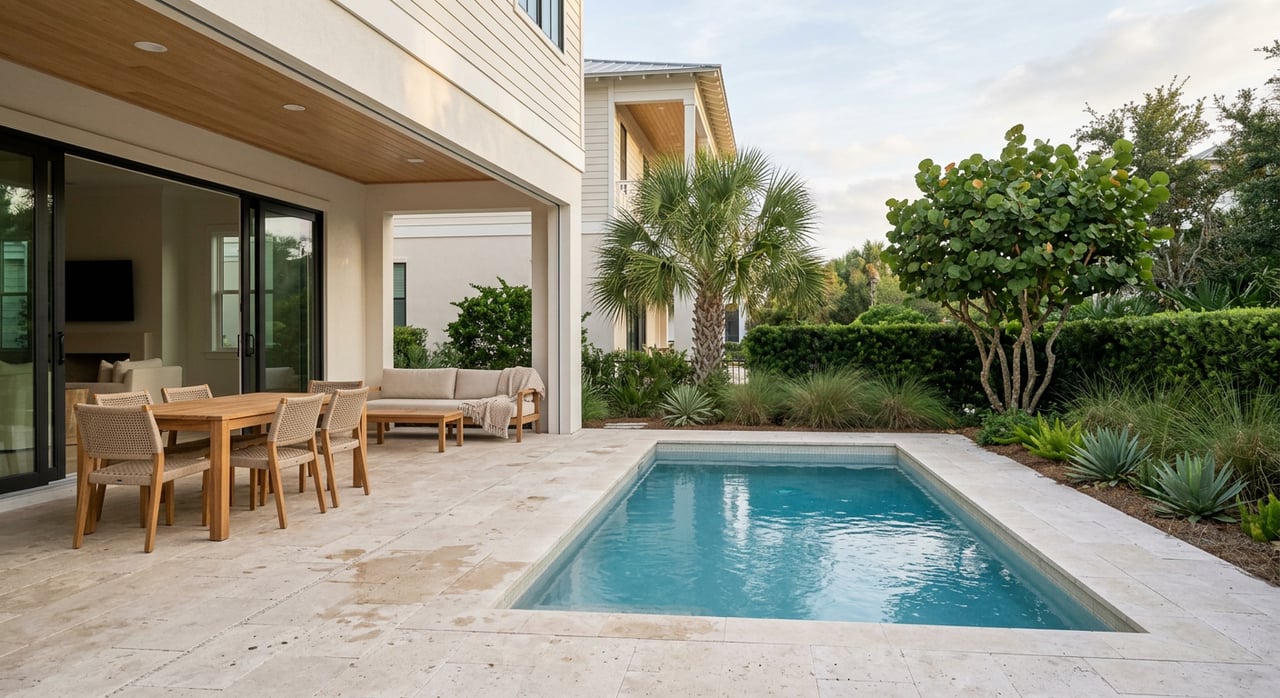
Thinking about buying a place in Seacrest Beach and renting it when you are not here? You are not alone. The 30A coast draws steady demand, and Seacrest’s setting between Alys Beach and Rosemary Beach gives you built‑in advantages. In this guide, you will learn what drives bookings, the taxes and rules that apply, and how to underwrite numbers with confidence. Let’s dive in.
Seacrest market at a glance
Location and guest profile
Seacrest Beach sits on Scenic Highway 30A in Walton County’s South Walton district, between Alys Beach and Rosemary Beach. This corridor benefits from strong tourism and easy access to dining and shops. Walton County hosted about 5.1 million visitors in 2023, with an average party size near five people and an average stay of roughly 5.9 nights. That means many guests look for group‑friendly layouts and weeklong bookings (Walton County Tourism annual report).
Seasonality and booking patterns
Demand on 30A is seasonal. Peak runs from late May through early September, with strong shoulder periods during spring break, May, and September through November. Winter is softer except for holiday weeks. Local snapshots have positioned Seacrest as a mid‑to‑upper performer on 30A, with one dataset citing about 44 percent annual occupancy and an average daily rate in the mid‑$500s. Use these only as direction. Actual results vary by bedroom count, pool, proximity to beach access, and walkability to places like Peddler’s Pavilion. Always validate with property‑level comps (seasonality overview and market snapshot).
Taxes, licensing, and rules you must follow
County and state taxes on bookings
In Seacrest, guest stays are typically taxed at about 12 percent of the rental amount. Here is the breakdown you collect and remit:
- Florida state sales and use tax of 6 percent plus a 1 percent Walton County discretionary surtax. That totals about 7 percent on transient rentals (Florida Department of Revenue surtax table).
- South Walton Tourist Development Tax of 5 percent for zip code 32461 (TDT district and rate verification).
Verify rates with the Florida Department of Revenue and the Walton Clerk before pricing, then configure your manager or booking platforms to collect these taxes from guests.
Required registrations and licenses
- Walton County requires annual registration for vacation rentals through its Vacation Rental Registration Program. Operating without registration can trigger daily fines. Before you buy, confirm that the property is registered and in good standing (Walton County STR registration).
- Florida’s Division of Hotels and Restaurants (DBPR) licenses vacation rental dwellings and condominiums. Some properties have inspection and documentation requirements. Check the property’s DBPR license status and any outstanding items early in due diligence (DBPR vacation rental guide).
HOA wristbands, parking, and guest access
Seacrest’s HOA policies directly affect the guest experience and your operating costs. The community issues wristbands for beach, tram, and pool access, requires parking passes, and limits wristbands to the number of occupants on the rental contract. Children under 8 are typically exempt. Some vehicle types, including certain golf carts or LSVs for renters, are restricted. Owners are billed amenity and wristband fees, and fines apply when rules are not followed. Review the abridged rules and fee schedules before you go to contract (Seacrest Beach HOA rules).
Revenue drivers in Seacrest
What boosts ADR and occupancy
On 30A, guests pay more for easy beach access, a short walk to Peddler’s Pavilion, and a smooth arrival experience. Within Seacrest, access to the tram and the signature lagoon‑style pool can separate an average listing from a top performer. Floorplans that handle groups well also tend to win. Listings and local managers often highlight these as value drivers, and you will see the impact reflected in pricing and reviews.
Property features that win bookings
Consider adding or prioritizing:
- 3 or more bedrooms plus a flexible sleeping area, such as a bunk room.
- A private or community pool with clear guest access instructions.
- Outdoor living zones with shade and durable furnishings.
- Quality, resilient interiors and beach gear storage.
- Professional photography and a simple, accurate house manual.
Underwrite the numbers with care
What to request and review
Ask the seller and property manager for documents that show how the specific home performs. At a minimum, request:
- The last 12 to 24 months of owner statements with monthly ADR, nights booked, and gross revenue.
- Channel breakdowns by Airbnb, Vrbo, and direct bookings along with cancellation patterns.
- A calendar of minimum night rules by season and holiday periods.
- Copies of Walton County STR registration, DBPR license status, and any code or HOA notices.
- Insurance policies and quotes for homeowners, wind, and flood coverage.
Expenses to model
Common expense categories include management, turnover, utilities, HOA dues, amenity fees, landscaping, pool service, routine maintenance, reserves, and insurance. On 30A, full‑service management commonly ranges from about 15 to 35 percent of gross rent, depending on services and the fee stack. Be sure to ask for the full schedule of commissions and guest fees so you can work from owner net, not just headline percentages (manager fee context).
Cleaning and turnover costs vary by size. Active Seacrest listings show fees from about $150 on small spaces to roughly $400 to $500 for larger homes. Use comparable listings to set realistic averages, since turnover fees affect stay pricing and owner net (illustrative fee example).
Insurance deserves special attention. Coastal policies and flood coverage can be material line items, and deductibles for wind or named storms may change your risk profile. Get quotes tied to the exact parcel before you finalize underwriting.
Illustrative math for a quick gut check
These numbers are examples only. Always validate with property‑level data.
- Assumed ADR: $600. Assumed annual occupancy: 44 percent based on local snapshot data. That equals about 161 nights, or roughly $96,600 in gross rent per year (seasonality overview and market snapshot).
- Guest taxes at about 12 percent are collected from the guest and remitted, not retained as owner revenue. That is roughly $11,592 on this example. Confirm rates before pricing (Florida DOR surtax table; South Walton TDT rate).
- Management at 25 percent would be about $24,150. If you assume 45 stays at $300 per turnover, cleaning totals around $13,500. Add utilities, HOA and amenity fees, insurance, supplies, routine repairs, and reserves. Conservative pro formas on 30A often model all operating costs, including management, in the 45 to 55 percent range before debt service. Run conservative, base, and optimistic cases and stress test off‑season vacancy and named storm disruptions.
Compliance and community fit
Avoid fines and protect reviews
- Register the property with Walton County before advertising or accepting bookings (Walton County STR registration).
- Confirm and post DBPR license details as required, and keep any inspection documentation current (DBPR vacation rental guide).
- Train your manager or cleaner on Seacrest wristbands, parking passes, and vehicle rules. Clear pre‑arrival messaging prevents day‑one friction and protects reviews (Seacrest Beach HOA rules).
Diligence checklist before you offer
Gather these items to evaluate a specific Seacrest property:
- HOA governing documents, amenity and wristband fee schedules, rental covenants, and any minimum stay rules (Seacrest Beach HOA rules).
- Walton County registration record and any code complaints for the address (Walton County STR registration).
- DBPR license status and any required safety documents (DBPR vacation rental guide).
- Owner statements with month‑by‑month performance and a channel revenue breakdown.
- Insurance quotes for homeowners, wind, and flood with deductibles and exclusions spelled out.
- Proof of beach access rights and the process for issuing guest wristbands.
- Maintenance and systems records for roof, HVAC, and pest control.
Questions to ask a prospective manager:
- What is your exact fee stack, including guest booking fees, linens, and routine maintenance? How quickly do you pay owners?
- How do you handle HOA wristbands and parking passes? What is your plan for guest issues or noise complaints?
- Can you provide verified comps and 12‑month performance for similar homes nearby?
Risks and how to plan for them
- Insurance volatility: Premiums and deductibles can change. Obtain quotes early and revisit before closing.
- Weather exposure: Budget reserves for named storm seasons and potential downtime for repairs.
- Seasonality swings: Protect cash flow with strong peak pricing, realistic shoulder strategies, and disciplined off‑season expense control.
- Compliance risks: Missed registrations or wristband missteps can cause fines and bad reviews. Build compliance into your standard operating playbook.
Next steps to move forward
- Pull the Walton County registration record and DBPR status for the address, and ask about any open code cases.
- Order a micro‑market data pack for the Seacrest and Rosemary corridor, and request a verified 12‑month P&L from the current manager.
- Get binding insurance quotes for wind and flood tied to the parcel, and confirm the flood zone.
- Interview two to three local managers using the fee and service questions above. Compare net projections, not just gross.
- Review cash flow with your CPA or tax advisor to decide the right financing approach for your situation.
Ready to explore Seacrest Beach with a clear plan? Reach out to Corcoran Reverie for local guidance, property‑level insights, and a thoughtful path to purchase that aligns with your goals.
FAQs
What taxes apply to a Seacrest Beach vacation rental?
- Expect to collect and remit about 12 percent on the rental amount, made up of 6 percent Florida sales tax, 1 percent Walton surtax, and 5 percent South Walton Tourist Development Tax.
Do I need a license to rent my Seacrest home short term?
- Yes. Walton County requires annual vacation rental registration, and many homes also require a DBPR vacation rental dwelling or condo license.
How do Seacrest HOA wristbands affect guests?
- Wristbands control access to the beach, tram, and pool, and are limited to the occupants on the rental contract, with amenity fees billed to owners; clear pre‑arrival instructions are essential.
What drives higher nightly rates in Seacrest?
- Proximity to beach access, short walks to Peddler’s Pavilion, access to the lagoon‑style pool and tram, and group‑ready layouts with quality furnishings tend to lift ADR and occupancy.
What is a realistic way to underwrite income?
- Use property‑level monthly ADR and occupancy, not just annual averages; compare manager fee stacks and cleaning costs, then run conservative, base, and optimistic cases before you buy.