
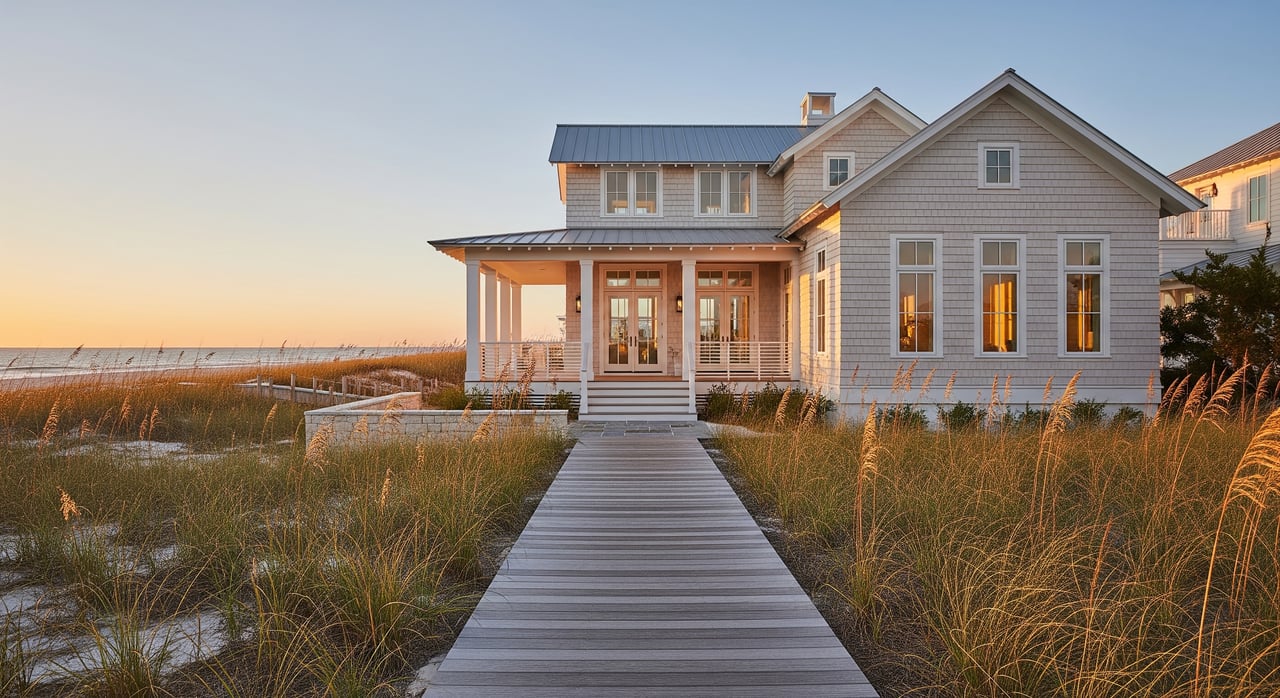
Is your perfect 30A day all about strolling to coffee and boutiques, or spreading out with trails, pools, and club-style amenities? When you are choosing between WaterSound and Rosemary Beach, you are really choosing a lifestyle. Both are beloved along Scenic Highway 30A, and both shine for different reasons. This guide helps you match your priorities to the right fit so you can buy with confidence. Let’s dive in.
Quick take: Two distinct 30A styles
WaterSound is a larger, master-planned coastal community with multiple neighborhoods and a wide range of homes. You will find cottages, townhomes, single-family homes, and estate properties, plus community amenities and optional club offerings in some phases. Walkability and beach access vary by village.
Rosemary Beach is a compact, highly walkable New Urbanist town. The streets are gridded, the architecture is uniform, and the town center concentrates restaurants, boutiques, and events. Homes often sit on narrow lots close to the beach and retail core.
Who each place fits
Choose Rosemary Beach if you want
- A boutique, pedestrian-first village where most dining and shopping sit within a 5–10 minute walk.
- Design consistency and a curated streetscape under strict architectural guidelines.
- Smaller-lot living with cottages and townhomes that maximize location and charm.
- A prestige address with limited inventory that often holds value through scarcity.
Choose WaterSound if you want
- More space and variety, including larger lots, new construction options, and different architectural styles by neighborhood.
- On-site amenities such as pools, fitness centers, trails, and potential club access in certain phases.
- A mix of product types at varied price points across multiple villages.
- Opportunities to align lifestyle with neighborhood character, from beachfront enclaves to inland pockets near green space.
Real estate snapshot: Product and positioning
You will see different physical forms and buying dynamics in each community.
- Rosemary Beach: Primarily narrow-lot cottages, townhomes, and smaller single-family homes. Strong town-center energy and limited depth of lots. The market often sees resilient pricing and quick interest when inventory appears due to the community’s small footprint and walkable appeal.
- WaterSound: A broader mix that includes detached cottages, townhomes, single-family homes, estates, and beachfront options. New phases and developer releases can add supply at times, which creates more choice and varied pricing. Amenities and club access can influence demand in specific neighborhoods.
If you need current median prices, price per square foot, or days on market, ask your advisor to provide up-to-date MLS reports for each community. Because micro-markets matter on 30A, compare by village or street where possible.
Lifestyle and amenities comparison
Walkability and town life
- Rosemary Beach: Designed for walking. Most homes are within a short stroll of green squares, shops, and dining. If you prefer to park the car and move at a slower pace, Rosemary feels like a true resort village.
- WaterSound: Walkability depends on the village. Some areas offer pedestrian paths, boardwalks, and easy access to shared amenities; others are more car-oriented. If you want trails and varied pathways with more open space, WaterSound delivers.
Beach access and atmosphere
Both communities offer beach access. The exact form of access, parking, and club or HOA rules will vary by neighborhood and parcel. If a specific type of beach access is important to you, confirm the access agreement, path distance, and any membership needs for the property you are considering.
Dining, retail, and events
- Rosemary Beach: A concentrated town center with boutiques, restaurants, and regular programmed events tied to the square. You can browse, dine, and linger without getting in the car.
- WaterSound: Dining and retail exist, though generally with less density than Rosemary’s village core. Depending on the village, you may have on-site options and club restaurants, plus quick access to nearby 30A towns for broader choices.
Outdoors, trails, and parks
Both settings give you the 30A lifestyle: Gulf beaches, biking, and nearby state parks. WaterSound’s scale often means broader green spaces and trail networks across villages, which can appeal if you want more room to roam. Rosemary’s public spaces feel intimate and designed for gathering.
Ownership details to verify
HOA and architectural review
Both communities have HOAs and design standards. Rosemary Beach is known for stringent, historic-style guidelines. WaterSound enforces design review as well, with styles that vary by neighborhood. Request the CC&Rs, architectural guidelines, fee schedules, and recent HOA meeting minutes for any home you are vetting.
Short-term rentals and permitting
Short-term rental rules differ by neighborhood and evolve over time. Community covenants and Walton County ordinances both apply. Before you buy, confirm current rental allowances, any minimum stay rules, registration or inspection requirements, and whether caps or waitlists exist for permits.
Taxes, insurance, and flood
On the coast, you will budget for property taxes, homeowners insurance, and flood insurance. Many 30A properties sit within FEMA flood zones or Special Flood Hazard Areas. Ask for an elevation certificate, wind mitigation inspection details, and current insurance quotes so you understand true carrying costs before you write an offer.
Utilities, access, and title
Confirm whether a property is on sewer or septic, and verify utility providers. For beachfront or near-beach homes, request a survey and title search early. Easements, access agreements, parking restrictions, and deeded beach rights are material to value and use.
Rental potential: How to think about income
Both communities support short-term rentals, subject to HOA and county rules. Rosemary’s dense village setting can command premium nightly rates, although inventory is smaller and availability can be tighter. WaterSound’s larger footprint offers more unit types and potentially broader yield profiles, depending on the village and amenity set. Your best approach is to evaluate comp sets by product type, location, and current rules for the exact address.
Pros, tradeoffs, and a simple checklist
Rosemary Beach at a glance
- Pros: Boutique walkability, cohesive architecture, high street energy, proximity to dining and events.
- Tradeoffs: Smaller lots, tighter inventory, and strong pricing tied to scarcity.
WaterSound at a glance
- Pros: Variety of homes and lot sizes, new construction options, expansive amenities, and neighborhood diversity.
- Tradeoffs: Walkability varies by village, and multiple HOAs or club structures can add complexity.
Your decision checklist
- What matters most: walkability, space, or amenities?
- Which product type fits: cottage, townhome, single-family, or estate?
- How will you use the home: personal use, rental, or a blend?
- Do HOA rules, design controls, or club membership requirements fit your plans?
- What are verified carrying costs: HOA fees, taxes, insurance, and flood?
- Is beach access simple and clearly documented for this property?
How to tour and compare like a pro
- Start with goals: define your must-haves for beach access, walkability, space, and rental potential.
- Tour by micro-area: walk specific streets, squares, and amenity paths to feel daily life in both communities.
- Request documents early: CC&Rs, design guidelines, fee schedules, recent HOA minutes, and any club membership info.
- Underwrite ownership costs: obtain an elevation certificate, wind mitigation details, flood and homeowners insurance quotes, and a tax estimate based on your use.
- Validate rental assumptions: confirm current neighborhood rental rules, minimum stays, and a comps-based revenue range for your product type.
When you are ready to see homes or compare micro-markets, a local advisor can streamline the process and protect your time. If you want curated touring, on-the-ground intel, and access to exclusive listings, connect with the team at Corcoran Reverie. We will help you choose with clarity and move forward with confidence.
FAQs
Which is more expensive: WaterSound or Rosemary Beach?
- Both are premium 30A communities, but Rosemary Beach often sits at the top tier due to its small footprint, scarce inventory, and village walkability, while WaterSound spans varied price points across multiple neighborhoods.
Is Rosemary Beach or WaterSound better for short-term rentals?
- Both can perform well, depending on address and HOA rules. Rosemary often achieves high nightly rates in a smaller, walkable core, while WaterSound offers more unit types and yield profiles across different villages.
How walkable are these communities for daily life?
- Rosemary Beach is designed for walking with most dining and retail within a short stroll. WaterSound’s walkability differs by village, with some areas offering trails and pedestrian paths and others being more car-oriented.
What ownership costs should I expect beyond the purchase price?
- Plan for HOA or town assessments, insurance and flood coverage, property taxes, and any club or amenity fees. Always request fee schedules, elevation certificates, and insurance quotes before you make an offer.
What should I verify about beach access before buying?
- Confirm the exact access point, any club or HOA rules, deeded rights, parking restrictions, and path distance from the property. Get these details in writing as part of your due diligence.